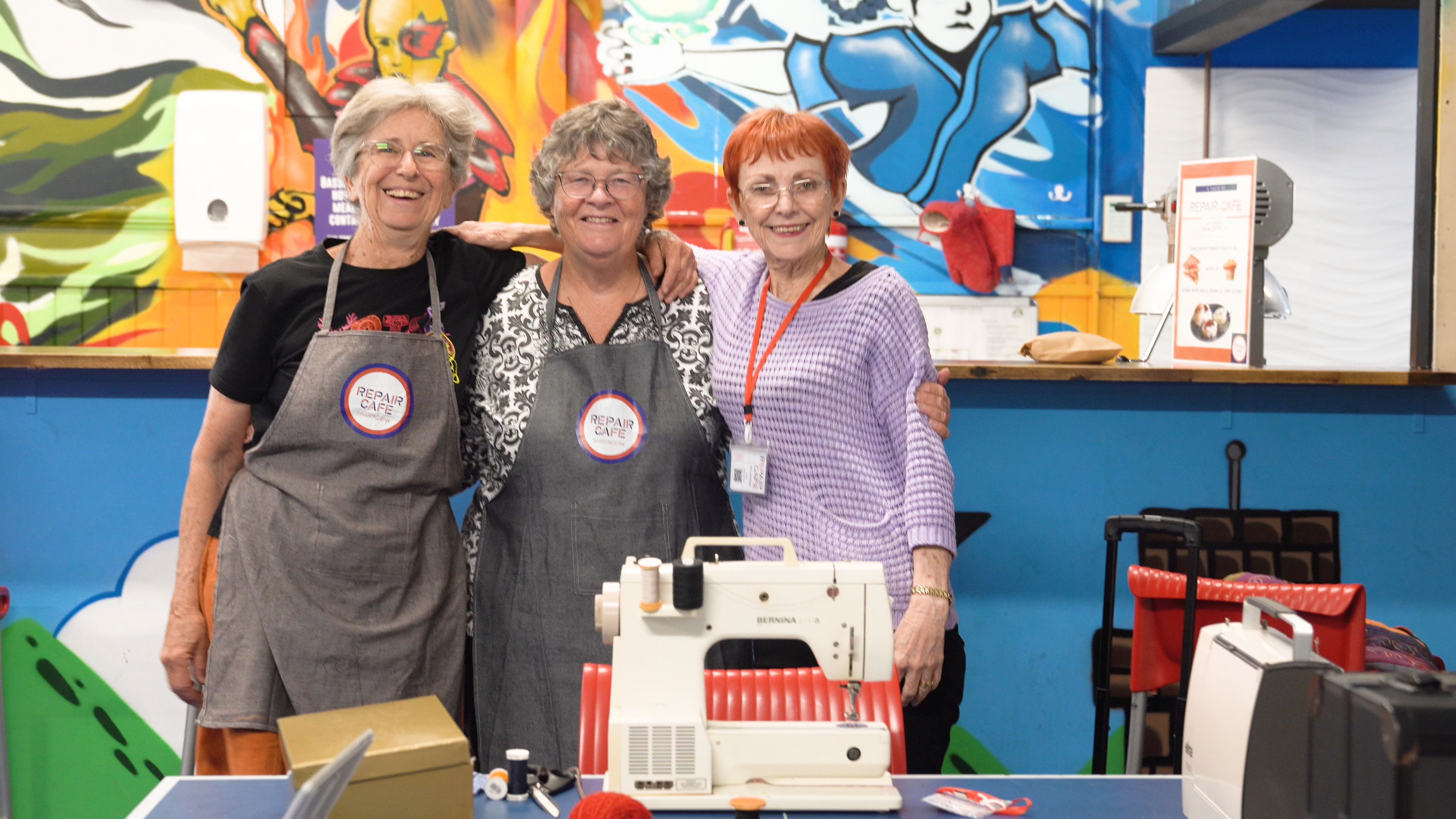
Join the repair economy
GREAT Sorts in your neighbourhood put less in their landfill bin by visiting their local repair lab or repair cafe.
Posted on: March 26, 2026
Easter is a time for slowing down, catching up with family and enjoying a few treats. But it can also come with a lot of extra waste, from packaging and food scraps to novelty items that don’t last much longer than the long weekend.
The good news is that Easter is a great chance to be a GREAT Sort. With a little planning and a few small swaps, you can enjoy the celebrations while keeping landfill as the last resort.

Avoiding waste before it starts
Chocolate eggs are often more packaged than chocolate bars. Cardboard, plastic and foil can quickly pile up, especially when treats are individually wrapped.
To reduce waste before it even enters your home, try:
Planning ahead also helps avoid food waste. Think about how many people you’re catering for and what you already have in the pantry before heading to the shops. Many households find this simple step helps them enjoy Easter without ending up with food they don’t need.
Packing smart for Easter travel
For many people, Easter means hitting the road for a long-weekend getaway or day trip. Travel can be a hotspot for single-use waste, especially when hunger strikes and packaged snacks feel like the easiest option.
A little preparation can make a big difference:

Being a GREAT Sort doesn’t stop when you leave the house. Many families already use the same waste-smart habits on the road that they do at home. The same habits you use at home can travel with you, helping you avoid waste on the go.
Reusing what you already have
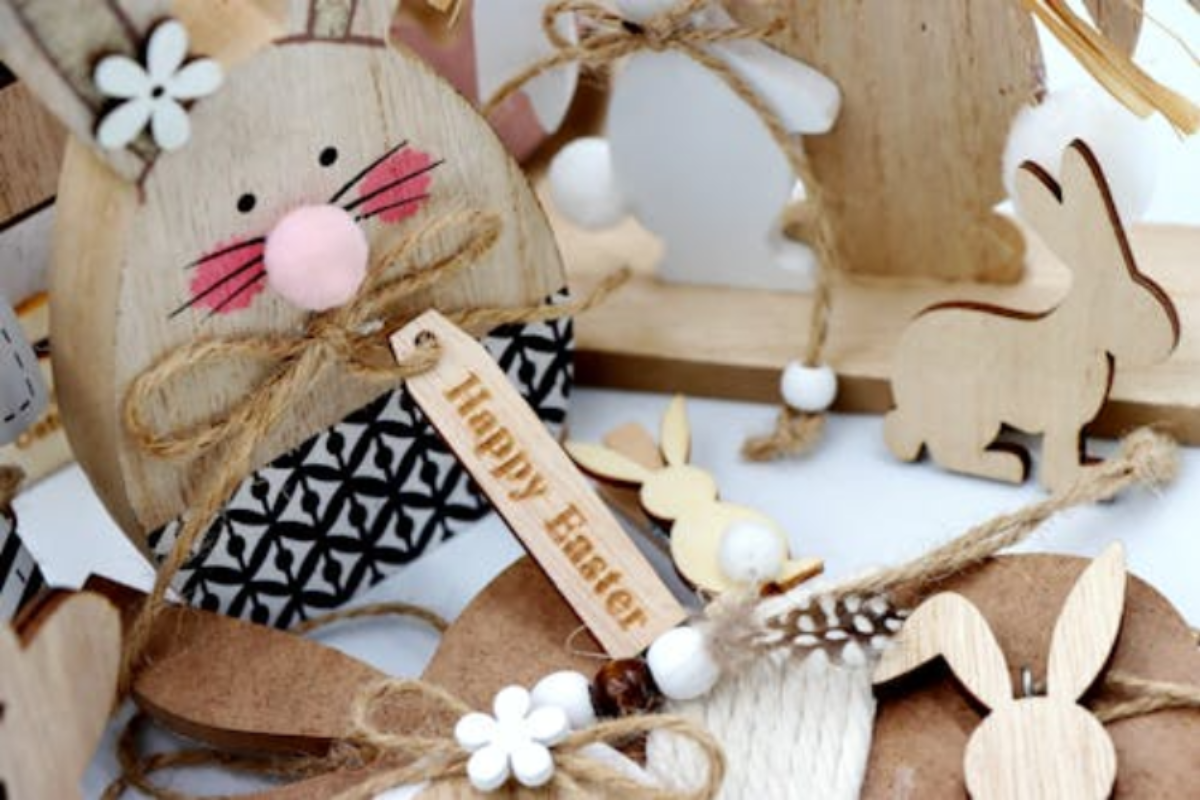
Easter doesn’t need brand new decorations every year. Many items can be reused, shared or made at home.
Look around before you buy:
When you choose reusables, you save money and reduce the demand for single-use items. Lots of households already bring out the same Easter decorations year after year.
Recycling right after the fun
Once the chocolate is gone, make sure packaging goes in the right place. Recycling in Western Australia is simple when you stick to the five accepted items for your yellow-lid bin.
Remember:
A good rule of thumb is to tip your recycling into the bin loose, so that the different material types can be sorted correctly.
If you’re unsure, check before you bin it. Small actions like this help recycling work as well as it can.
Earth-cycling food scraps
Hot cross buns, Easter lunches and family get-togethers can mean more food scraps than usual. If you have a FOGO bin, this is where it really shines.
Food scraps like fruit and vegetable peels, uneaten hot cross buns, egg shells and even cooked plate scrapings.
Can be turned into valuable compost instead of becoming landfill. No FOGO bin yet? A home compost bin or worm farm can help you earth-cycle food scraps all year round.
Gifting with a second life in mind
The Easter long weekend can be a useful time to do a small reset at home. As you sort through cupboards, toy boxes or spare rooms, you may find items you no longer need but that are still in good condition.
Op shops often find this time of year particularly busy, with extra donations coming in while many volunteers take a well-earned break. If your local op shop is not accepting donations, there are other ways to rehome items instead of putting them in the bin.
You could consider:
If an item is good enough for a mate, it is good enough to donate. Choosing to gift, swap or sell helps keep useful items out of landfill.
Taking tricky items to the right place
For some households, attention is turned towards sheds and garages for a long-overdue clear-out. These spaces often store items that do not belong in any household bin.
As you are getting your house in order, set aside tricky items such as:
These items need to be taken to the correct drop-off points. Doing so helps protect waste workers, reduces fire risk and keeps harmful materials out of landfill.
Find your nearest drop-off locations and make taking tricky items to the right place part of your regular errands. It’s easy to take old batteries and drop them off when you shop.

Small actions add up
Being a GREAT Sort isn’t about being perfect. It’s about making better choices where you can. Easter is just one weekend, but the habits you practise can last all year. By Gifting unwanted items, Recycling the five, Earth-cycling food scraps, Avoiding unnecessary waste while on the road and Taking tricky items to the right place, you’re doing better than the bin.

Get in touch if you have other ideas on how to reduce your waste over the Easter long weekend.
GREAT Sorts in your neighbourhood put less in their landfill bin by visiting their local repair lab or repair cafe.
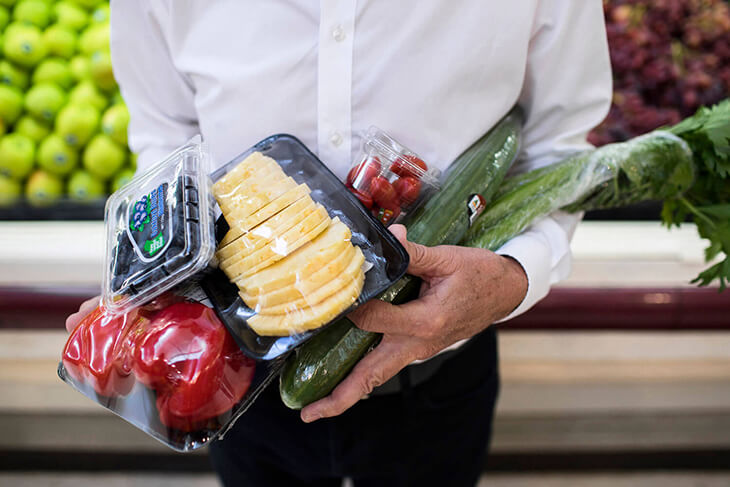
Keen to start reduce your waste but unsure where to start? Try out these six switches next time you do your grocery shopping to reduce the amount of plastic waste your household produces.
Not all used clothes will be good enough to donate to charity. Here are nine creative ways to recycle and repurpose old clothes and textiles, avoiding sending them straight to landfill when you can’t donate them