Disclaimer:This blog reflects information accurate at the time of its original publication. It has been preserved for archival purposes and may not reflect the most up-to-date details or developments.
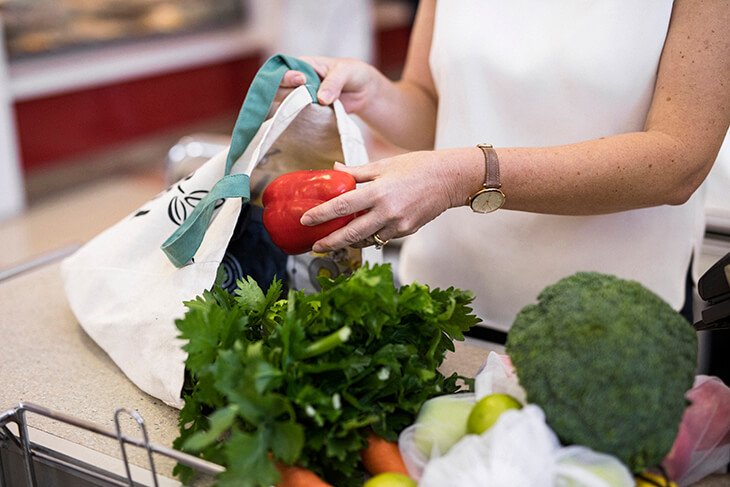
The lightweight plastic bag ban is now in play so it’s time to kick the over-reliance we’ve had on plastic bags and establish new habits.
Having to shell out for heavier duty bags EVERY SINGLE TIME you shop doesn’t make good sense – for your wallet or for the environment - so it’s time to choose your personal bag plan and make new routines stick.
Your options might include:
Reusable bags
Cardboard boxes
Your hands
Baskets
A personal shopping trolley
Boomerang bags
Remember – whatever bag plan you choose, the key is to make sure it works for you. Make sure your chosen vessel is on hand when you need and look for even more opportunities to say ‘no thanks’ when offered a plastic bag.
We’d love to see what you’re personally doing to #BYOBag so make sure you tag @WastesortedWA on Facebook and @wastesorted on Instagram in your pics and videos!
Easter is a time for slowing down, catching up with family and enjoying a few treats. But it can also come with a lot of extra waste, from packaging and food scraps to novelty items that don’t last much longer than the long weekend.
Forget the 12 days of Christmas, we’ve put together a guide featuring 12 ways to save waste at Christmas. Small actions matter even more over the festive season so now’s the time to school-up and remind yourself of the different ways you can own your impact in the lead up to and during Christmas.
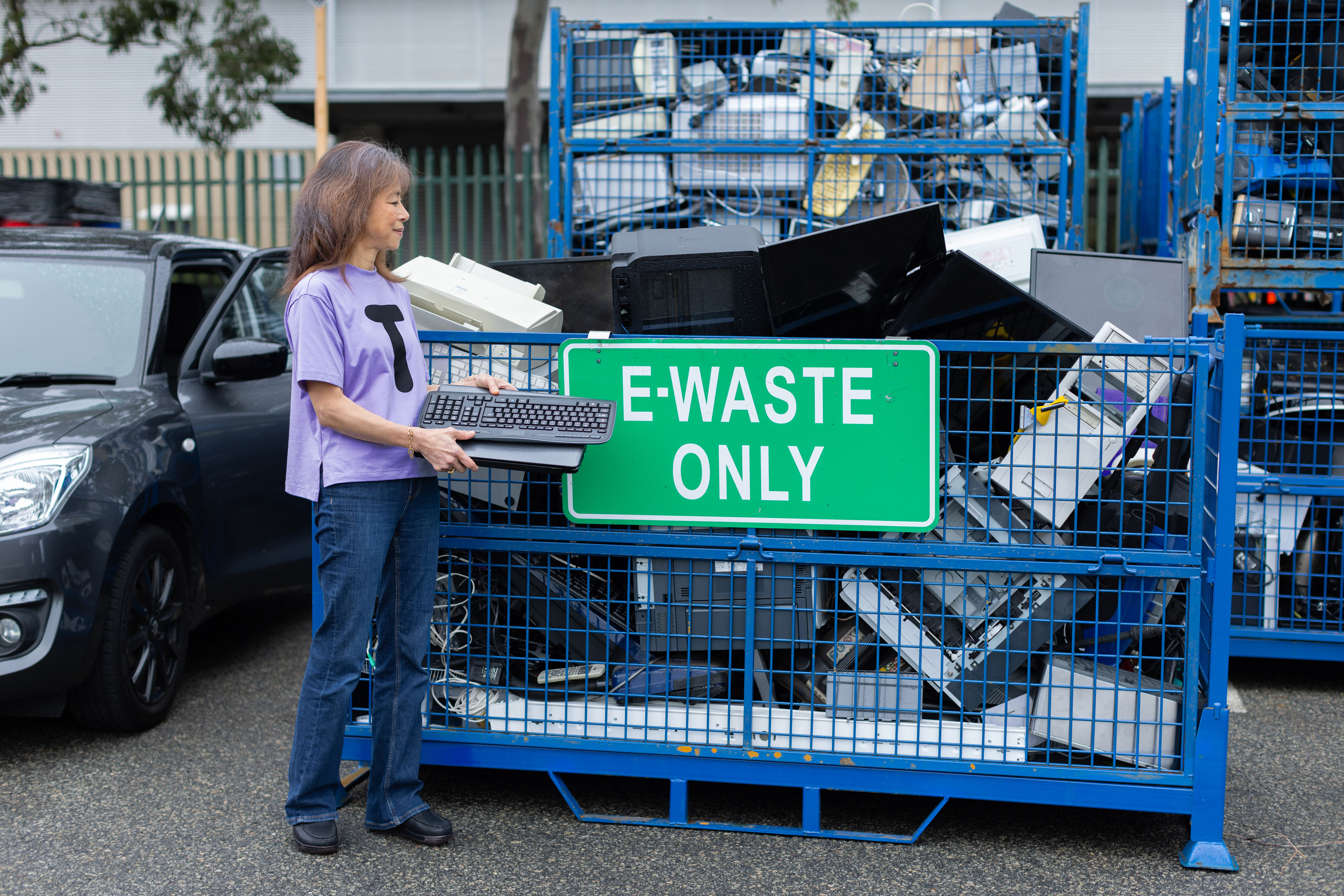
In today’s fast-paced tech world, as new devices are released and replaced, older electronics that still have plenty of life often end up forgotten in drawers, or worse, the bin!