Curriculum-linked teaching resources
-
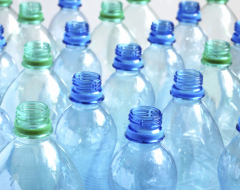 Avoid single-use plastic
Students will learn about single-use plastics, how they impact the environment once they are discarded, and use a placemat activity to help them think of solutions. They will write a persuasive text on a chosen reusable alternative.


 Year: 3-6
Curriculum: English
Resource Type: Lesson Plan -
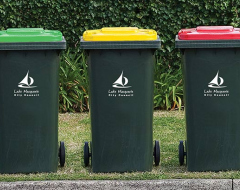 Buying in bulk
Students work in pairs to calculate the volume and cost of using one large box of sultanas versus one multi-pack.
Year: 3-6
Curriculum: Geography, Maths
Resource Type: Lesson Plan -
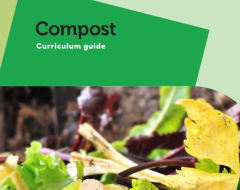 Compost curriculum guide
Each lesson includes a lesson description, lesson aim and curriculum links.
 Year: PP-2, 3-6
Curriculum: Science, Geography, English, Maths
Resource Type: Curriculum Guide -
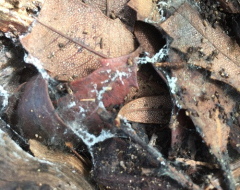 Decomposition in nature
Students understand the process of decomposition and how composting is an accelerated form of this natural process.
Year: 3-6
Curriculum: Science
Resource Type: Lesson Plan -
 Year: 3-6
Curriculum: Science, HASS, English, Maths
Resource Type: Curriculum Guide -
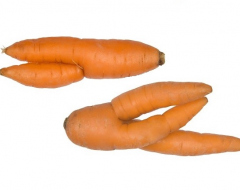 Inglorious fruits and vegetables
Students learn that supermarkets throw away edible fruit and vegetables based on appearance, and how consumers could be convinced to buy them to avoid the food going to landfill.
Year: 3-6
Curriculum: HASS
Resource Type: Lesson Plan -
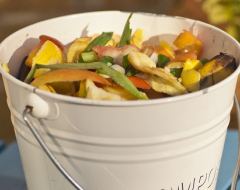 Make food waste history
Students learn about the choices they have and actions they can take to stop wasting food and resources.
Year: 3-6
Curriculum: HASS
Resource Type: Lesson Plan -
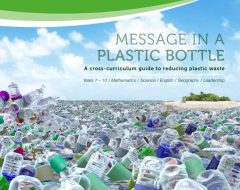 Year: 7-10
Curriculum: Science, Geography, English, Maths, Combined
Resource Type: Curriculum Guide -
 Movement of plastic and marine life
Students learn about the properties of plastics, and how plastic is easily blown around in the environment – therefore becoming a harmful pollutant. They will write a scientific report about their observations.
Year: 3-6
Curriculum: Science
Resource Type: Lesson Plan -
Plastic and marine life
Students learn about how plastic impacts marine animals and the environment.
 Year: PP-2
Curriculum: English
Resource Type: Lesson Plan -
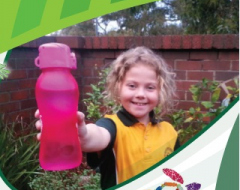 Plastic Free July Primary curriculum guide
Each lesson includes a lesson description, lesson aim and curriculum links.
Year: PP-2, 3-6
Curriculum: Science, English, Maths
Resource Type: Curriculum Guide -
Plastic planet
Students will learn about single-use plastics, how they impact the environment and use role play scenarios to help them think of solutions.
Year: PP-2
Curriculum: English
Resource Type: Lesson Plan -
Pledge to stop food waste
Students identify the imbalance between wants and resources, and the impact of scarcity on resource allocation. They identify that, when making choices, people use strategies to inform their purchasing and financial decisions.
Year: 3-6
Curriculum: HASS
Resource Type: Lesson Plan -
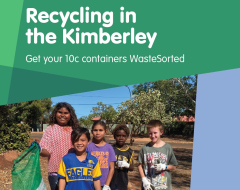 Recycling in the Kimberley: Get your 10c containers WasteSorted
Activities in this resource introduce the container deposit scheme and how to investigate and apply it in Kimberley schools.
Year: PP-2, 3-6, 7-10, 11-12
Curriculum: HASS, English, Maths, Combined
Resource Type: Curriculum Guide -
What a waste of resources
Students learn about the resources needed to grow, harvest and sell food and how these limited resources are wasted when food is thrown away.
Year: 3-6
Curriculum: HASS
Resource Type: Lesson Plan -
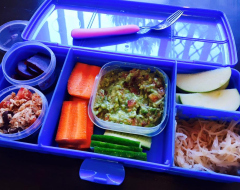 What is in the lunchbox?
Students understand food packaging and record information in a table or graph. They discuss options on how to avoid, reuse and recycle.
Year: 3-6
Curriculum: Maths
Resource Type: Lesson Plan -
What's in the bin?
A waste audit is used to discover how much waste is produced and what kind of items are thrown away. Students learn about which items are made from plastic and how to avoid, reuse and recycle plastic items.
Year: PP-2
Curriculum: Maths, Combined
Resource Type: Lesson Plan -
Where does waste go?
Students learn about the problems associated with landfill and write an article to persuade residents to make landfill the last resort.
Year: 3-6
Curriculum: English
Resource Type: Lesson Plan -
 Worms curriculum guide
This engaging, hands-on resource will help students learn all about worms, including how worm farms support waste reduction and generate healthy soils in a sustainable system.
Year: PP-2, 3-6
Curriculum: Science, English, Maths
Resource Type: Curriculum Guide -
 Year 12 Geography ATAR Waste Management in Perth
The Waste Management in Perth teacher and student booklets support the in-depth study of waste management in Perth, Western Australia.
Year: 11-12
Curriculum: Geography
Resource Type: Curriculum Guide